
'/%3e%3cdefs%3e%3clinearGradient%20id='prefix__paint0_linear_4737_37157'%20x1='3.018'%20y1='23.6'%20x2='44.925'%20y2='24.977'%20gradientUnits='userSpaceOnUse'%3e%3cstop%20stop-color='%231CB7FF'/%3e%3cstop%20offset='.502'%20stop-color='%232FF58B'/%3e%3c/linearGradient%3e%3c/defs%3e%3c/svg%3e)


Xabi Alonso's four Chelsea rule changes as new manager lays down law
Aug 14 2026 06:49 · By www.football.london · 30 Reads


Xabi Alonso's arrival at Chelsea have sparked a series of sweeping changes at the club - with owners BlueCo have to adjust several long-standing policies
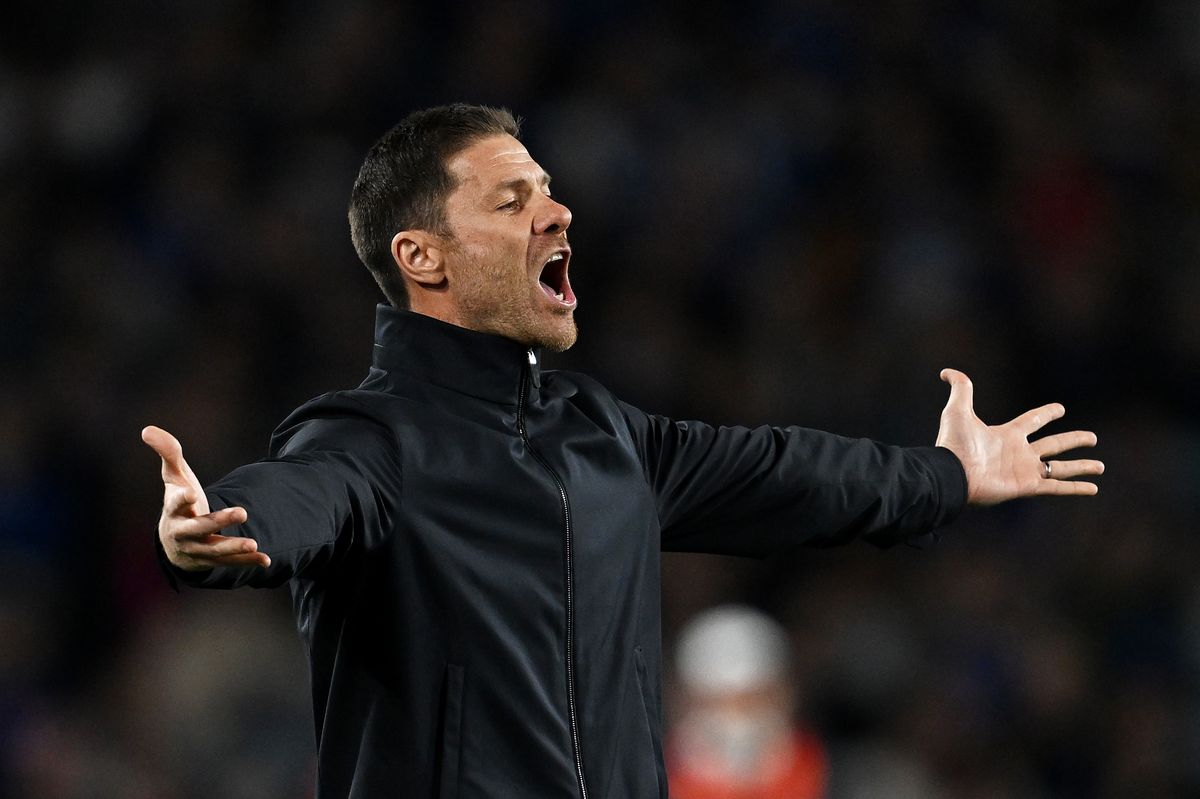
Change is sweeping through Chelsea following the appointment of Xabi Alonso, with the Spaniard wasting little time in putting his stamp on the club.
Alonso has inherited a team that finished a disappointing 10th in the Premier League last season, a campaign that intensified scrutiny on BlueCo's ownership and the controversial methods that have defined its four years at Stamford Bridge.
The new regime has delivered some success on the pitch, with Chelsea winning both the Conference League and Club World Cup, while their unprecedented spending has made them one of the biggest forces in the transfer market. But questions have continued to linger over the club's long-term direction, as well as the recruitment model and transfer strategy imposed by the hierarchy.
Alonso's appointment, however, appears to have marked something of a shift in the balance of power. The former Real Madrid boss has been afforded greater influence over key decisions, with Chelsea seemingly beginning to move away from some of the practices that have characterised the BlueCo era.
Alonso is already making his presence felt - and there are now four notable Chelsea rules that have changed since his arrival.
FOLLOW OUR CHELSEA FB PAGE! Latest Blues news, analysis and much more via our dedicated Facebook page

Abandoning the "U25 Only" rule
Arguably, the clearest indication of a change in direction under Alonso has been Chelsea's willingness to abandon the "U25 Only" recruitment policy. Since taking control of the club, BlueCo had largely adhered to a strict philosophy of signing players aged 25 or younger.
The thinking was straightforward: assemble a squad packed with some of the world's best young talents, signing them before they reached their peak and, ideally, before their value skyrocketed. Those who fulfilled their potential would become key first-team players, while those who failed to make the grade could be moved on for a profit - or at least without Chelsea taking a significant financial hit.
On paper, it made perfect sense. On the pitch, however, the strategy left Chelsea looking conspicuously short of experience and leadership. Their squad became increasingly homogenous, with few senior figures capable of taking control when matches began to turn against them. That lack of authority was particularly evident last season, when Chelsea developed an alarming habit of collapsing after conceding.

Alonso appears to have recognised the problem immediately and set about addressing it. After failing to land Granit Xhaka, Chelsea turned to 36-year-old Jordan Henderson and 35-year-old Danny Welbeck, while also bringing in 26-year-old Maxence Lacroix and, earlier this week, 28-year-old Pep Chavarria to strengthen the backline.
It represents a significant departure from the recruitment model that has defined the BlueCo era. Chelsea have seemingly realised that building a successful squad requires more than simply collecting the best young assets available. Experience, personality and balance matter, too.
Greater managerial authority
Alonso was handed the title of "manager" rather than "head coach" - a seemingly minor distinction that carries considerably more weight at Chelsea. The last man to hold the manager's title at Stamford Bridge was Jose Mourinho way back in 2015.
On the surface, it might look like little more than administrative semantics. In reality, the change is symbolic of a much broader shift in Alonso's role. Unlike his predecessors, he's expected to have a far greater say in the club's decision-making, with his influence extending beyond the training ground and matchday.
That includes having a stronger voice on recruitment and transfers, greater involvement in squad composition, and a more significant role in determining the club's overall footballing direction. Rather than simply coaching a squad assembled by Chelsea's hierarchy, Alonso appears to have been given a seat much closer to the head of the table.

That is particularly noteworthy given how Chelsea have operated since BlueCo's takeover. The club's recruitment strategy has traditionally been driven by its sporting hierarchy and a vast data-led scouting operation, with head coaches expected to work within a structure that was largely established above them. Even managers with considerable reputations, such as Thomas Tuchel and Mauricio Pochettino, were not necessarily given carte blanche over recruitment.
Alonso's appointment as manager suggests that the balance is changing. Chelsea have not abandoned their wider structure, but there appears to be a greater willingness to incorporate the manager's instincts and experience into major decisions.
Tactical shift
It isn't just behind the scenes that Alonso is making sweeping changes - he is also actively altering the way Chelsea set up on the pitch. Since Tuchel's departure in 2022, Chelsea have almost universally used a back four, but that commitment appears to be loosening under Alonso.
The former Liverpool midfielder has been implementing a more fluid system, with Chelsea seemingly preparing to operate with a back three this season. Having lined his team up in a 4-2-3-1 earlier in pre-season, Alonso switched to a 3-4-2-1 for Chelsea's most recent two games against AC Milan and Johor Darul Ta'zim.
Given Alonso's preference for a back three during his time at Real Sociedad and Bayer Leverkusen - as well as his attempts to introduce one at Real Madrid - the tactical shift should come as little surprise and reports have claimed that Chelsea players have reacted well to the more free-flowing approach demanded by their new manager.. Chelsea's recruitment also provides a significant clue, with the club signing wing-backs - Marco Palestra and Pep Chavarria - rather than traditional full-backs.

The blockbuster arrival of Morgan Rogers is another indication that Chelsea are planning to play with two No.10s - another defining feature of the 3-4-2-1 system - with Rogers and Cole Palmer operating behind the striker, rather than relying on a single attacking midfielder.
This demonstrates the trust and faith Chelsea's hierarchy have placed in Alonso, with the club prepared to dedicate a significant portion of their transfer budget to players who, were Alonso to leave, could potentially be deemed surplus to requirements by his successor.
Physical standards requirement
Alonso has wasted little time making his expectations clear: intensity is not optional at Chelsea. The Spaniard has declared that high-intensity pressing and recovery running are "compulsory and mandatory" for every player, warning that anyone unable to maintain the demands of Premier League football will not feature.
"We need good energy. We need to run. We need to work hard. We need the sacrifices which are compulsory and mandatory in each Premier League game," he said. "To win each game, it's tough. We need to prepare for that. We will see."

Those words have been backed up by Chelsea's recruitment. Morgan Rogers, Maxence Lacroix, Marco Palestra and Pep Chavarria are all powerful, energetic players capable of covering significant distances at high intensity, giving Alonso the athleticism required to impose his style.
The emphasis on physicality is particularly notable given some of Chelsea's shortcomings in recent seasons. The Blues have often looked vulnerable when games become stretched, lacking the energy and aggression required to sustain a high press or recover quickly when possession is lost.
Alonso is clearly determined to change that. His Chelsea will be expected to run, press and compete relentlessly, with the physical demands of his football becoming just as important as technical quality. For players unable or unwilling to meet that standard, the message from their new manager is already abundantly clear: there will be no place in his team.