
'/%3e%3cdefs%3e%3clinearGradient%20id='prefix__paint0_linear_4737_37157'%20x1='3.018'%20y1='23.6'%20x2='44.925'%20y2='24.977'%20gradientUnits='userSpaceOnUse'%3e%3cstop%20stop-color='%231CB7FF'/%3e%3cstop%20offset='.502'%20stop-color='%232FF58B'/%3e%3c/linearGradient%3e%3c/defs%3e%3c/svg%3e)


TICKET TROUBLES: The 'siege' on Premier League season ticket holders bites hardest on loyal fans as 'Disneyification' takes hold
Oct 03 2026 06:48 · By Felix Keith,Senior Sports Reporter · 37 Reads


Season ticket holders across Premier League clubs feel they are under siege.
Exploiting the most loyal fans and making them spend more is not a new complaint from matchgoing supporters. But they say this is something new and "deliberate".
"There’s a perception that there’s a different strategy at work," says Daniel Fitzpatrick, a lecturer at Aston University and co-author of a recent paper on the changing face of football fandom. "It's [the feeling that] we’re not being exploited, they just don’t want us to go anymore.
“There is a general sense that, yes fans have been financially exploited for a long time, but this is different because fans at some clubs feel they’re being deliberately excluded, or priced out rather than exploited, particularly season ticket holders."
Fitzpatrick and his colleague Mark Turner have been speaking to season ticket holders to gauge the current mood.
"It's the sense that they’re not pushing fans to the hilt of affordability, but beyond it. There was a real feeling of disquiet among the fans we spoke to.”
When Manchester United announced an investigation into ticket touting – a scourge on the game which surely everyone is opposed to – they couldn’t have envisaged the full-blown PR disaster they were inadvertently setting into motion.
What the club claims to be an open and transparent attempt to “protect fair access to tickets for genuine Manchester United supporters” came to its conclusion in early September, with 685 season tickets banned and an awful lot of ill feeling generated.
“The approach the club has taken has been ‘ban first, ask questions later’,” says Chris Rumfitt, a spokesperson for Manchester United Supporters Trust (MUST). “They've banned people and then asked them to prove that they haven't done anything wrong, which isn't normally how things work in this country. The burden of proof works the other way around.
“There's a massive amount of discontent among all fan groups, it's really united the fans. The way the club has gone about this is completely wrong. It has spread further mistrust.”

Get our comprehensive football coverage, with news, updates, opinions, analysis and everything that matters to you, straight to your inbox.
To get it, it's a quick and easy one-two:
1. Head THIS WAY
The heavy-handed approach, coupled with disastrous communications which threatened season tickets would be ‘deactivated’ for not buying a ticket to see Champions League minnows Sabah, has managed to turn what was supposed to be a mutually beneficial exercise into one which has further damaged Ineos’ standing at United, with protests held before the recent Manchester Derby.
“The touting exercise in the last few months has led to the most rancorous discussions between fans and the club since the European Super League,” Rumfitt adds. “Only that has produced a worse reaction. Of course, with that the club backed down and it went away, but with this the club has not u-turned.”
It is an extreme example of a pervasive feeling among fanbases across the Premier League: that loyal supporters are unwanted. Mirror Football has spoken to supporters groups and experts to investigate the strained relationship between clubs and their fans.
For the majority of supporters of Premier League clubs, the summer didn’t get off to an auspicious start. Fourteen of the 20 clubs raised the cost of season tickets for the 2026/27 campaign, many of them doing so by more than the rate of inflation. Many older fans have also been irritated by the move to fully digitised season tickets for the first time.
There is a huge variance between the cheapest Premier League season ticket, at Newcastle's St James’ Park, which costs £380, and the most expensive, at Fulham's Craven Cottage, which is £3,192. At defending champions Arsenal, the cheapest season ticket is £978; the most expensive is £1,835.
The concerns are nothing new. Prices have been rising and rising and the Football Supporters’ Association (FSA) have launched a campaign entitled ‘Stop Exploiting Loyalty’, which warns “the traditions, values and supporter culture that have made English football the envy of the world are under threat from escalating ticket prices, commercialisation and corporate greed”.
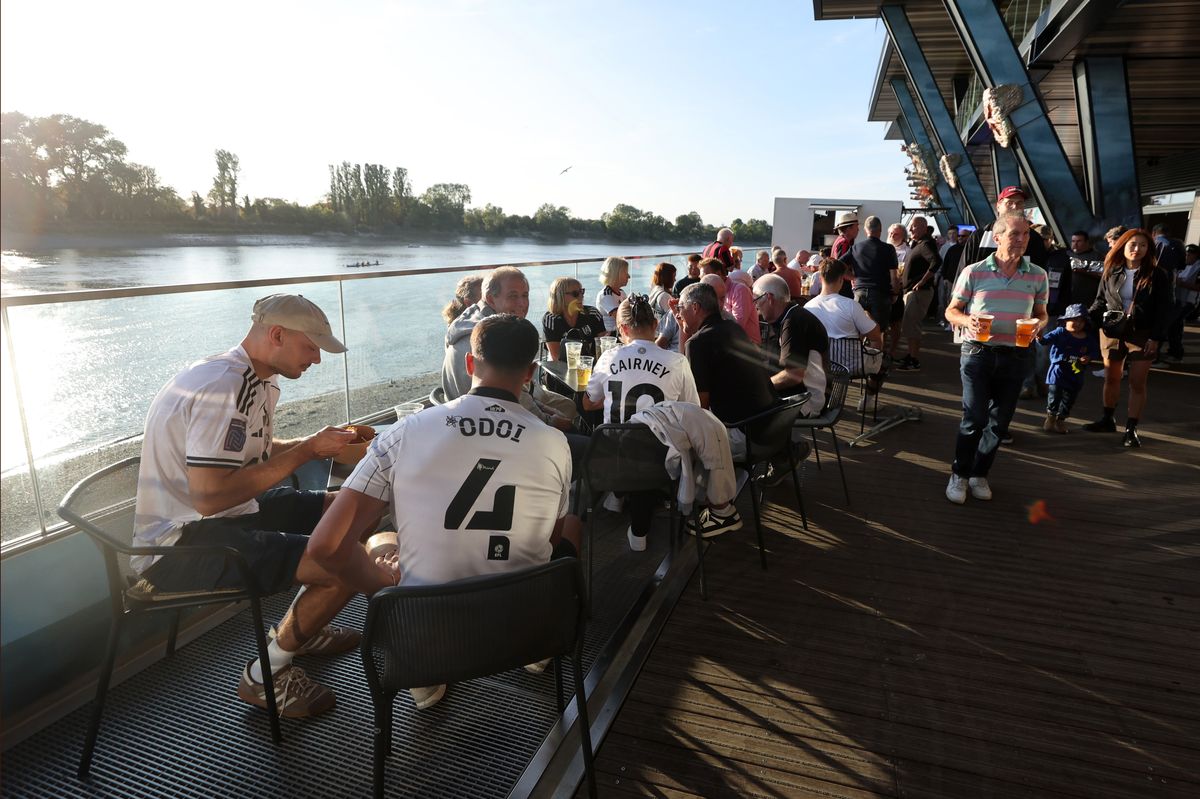
The FSA further argues that: “Football was once a family tradition, with generations standing or sitting together, but that is increasingly unaffordable at the top level as the game becomes a luxury good, inaccessible to many within the communities that clubs are supposed to represent.”
It should be pointed out that five clubs – Chelsea, Crystal Palace, Manchester City, Nottingham Forest and Tottenham – froze season ticket prices this summer. But the protest by Liverpool fans against proposed ticket price increases at the end of last season was a good example of where things are. Such was the strength of feeling, Liverpool owners Fenway Sports Group (FSG) were forced to listen and make a partial U-turn.
For the younger generation of football fans, it’s impossible to remember a time when things were much different. But, as Fitzpatrick points out, before the advent of the Premier League in 1992, ticket prices were set simply to cover costs. Since then they have become demand-based – a fact that’s “well established and accepted” across the board.
“Clubs used to reward patronage and wanted people to bring their extended family to matches,” Fitzpatrick argues. “That was the model. Now it isn’t that. Top clubs don’t want families to sit together. They want people to buy tickets on an individual basis, come a couple of times a season. The family-orientated appeal of the Premier League has changed since Covid, I think.”
From the club’s perspective, there is a very good reason for that. Season ticket holders are still useful, especially because they often renew in spring, providing a much-needed cash injection before the off-season, but for the Big Six, who can leverage their global brands, they are not as lucrative as another kind of supporter.
“The yield per fan per match is far greater for a fan coming for a one-off match,” explains football finance expert Kieran Maguire. “Not only does it generate more money from the ticket sale itself, that fan is far more likely to go to the merchandise store and spend.
“Local fans might go to the mega store once per season, therefore the monetisation of the non season ticket holders is far greater. They arrive at the stadium earlier and leave later because it’s a special experience for them.”
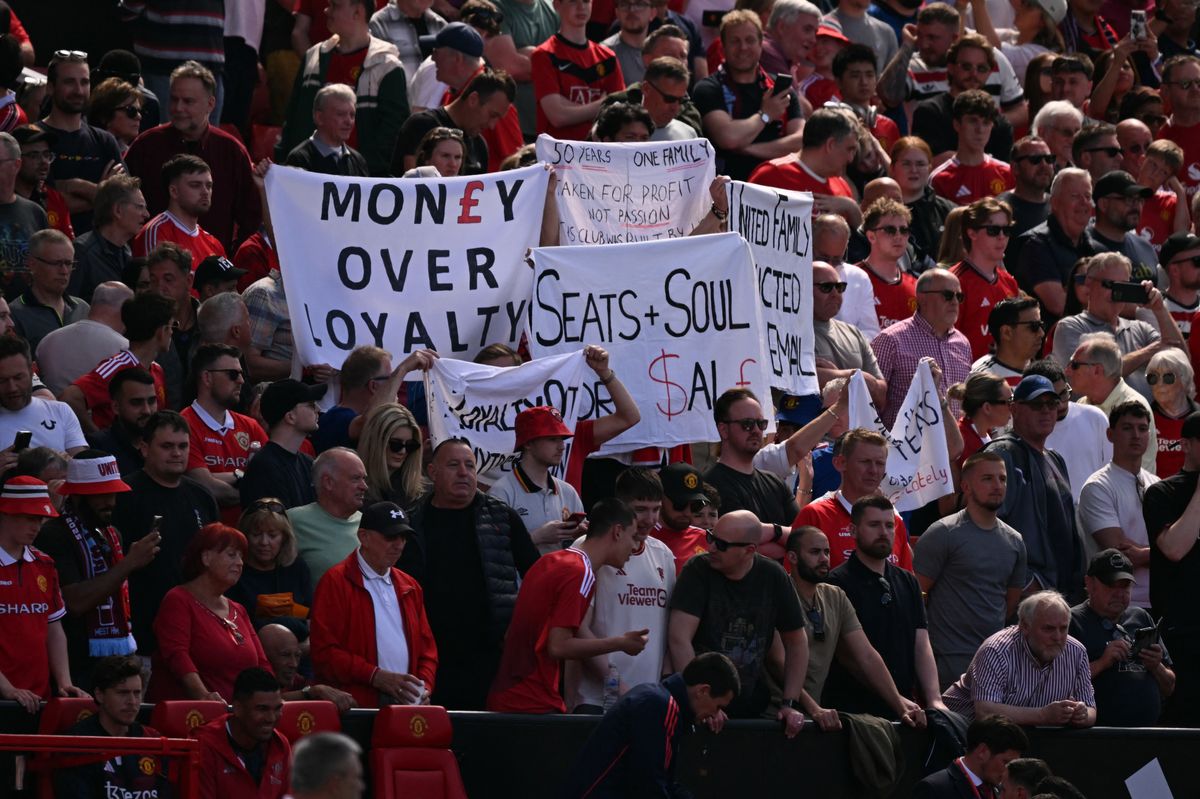
The day-tripper or tourist fan may be a much-maligned person among loyal, local supporters, but they are highly sought after by clubs, who aim premium options and luxury packages at them.
“I would describe it as the Disneyification of football, from a working class cultural asset, an essential for so many people,” Maguire says. “Football has been gentrified on so many levels. Plenty of people want something more sophisticated than a burger or pie and mash.
“Roy Keane was way ahead of the game with his prawn sandwich brigade comments, which has led to the demise of the traditional season ticket holder.”
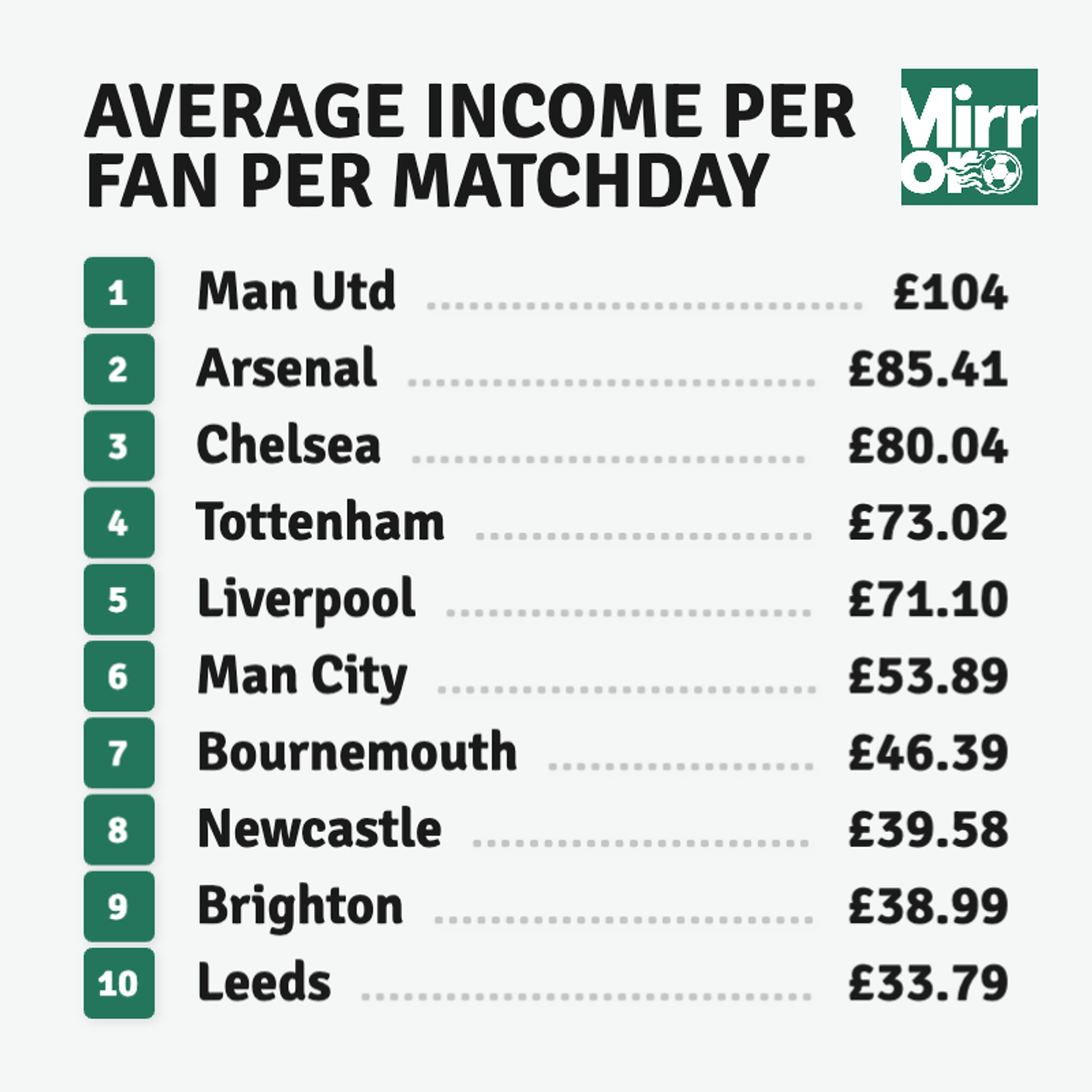
Maguire uses Manchester United, under Sir Jim Ratcliffe’s direction, as an example. Despite only having 20 home matches last season, due to their failure to qualify for Europe and their poor performance in cup competitions, “their average yield per fan per match went up from £89 to £104”. He says they are using “price as a vehicle to squeeze” long-term season ticket holders out of Old Trafford.
United, of course, would challenge that perception, but they are certainly aware it exists. Announcing the outcome of their touting crackdown, and the re-allocation of banned season tickets, the club statement tried to pre-empt any conspiracy theorists: “Any seats used on a match-by-match basis before then will be sold at season ticket prices, not matchday prices. The club is not profiting from this process.”
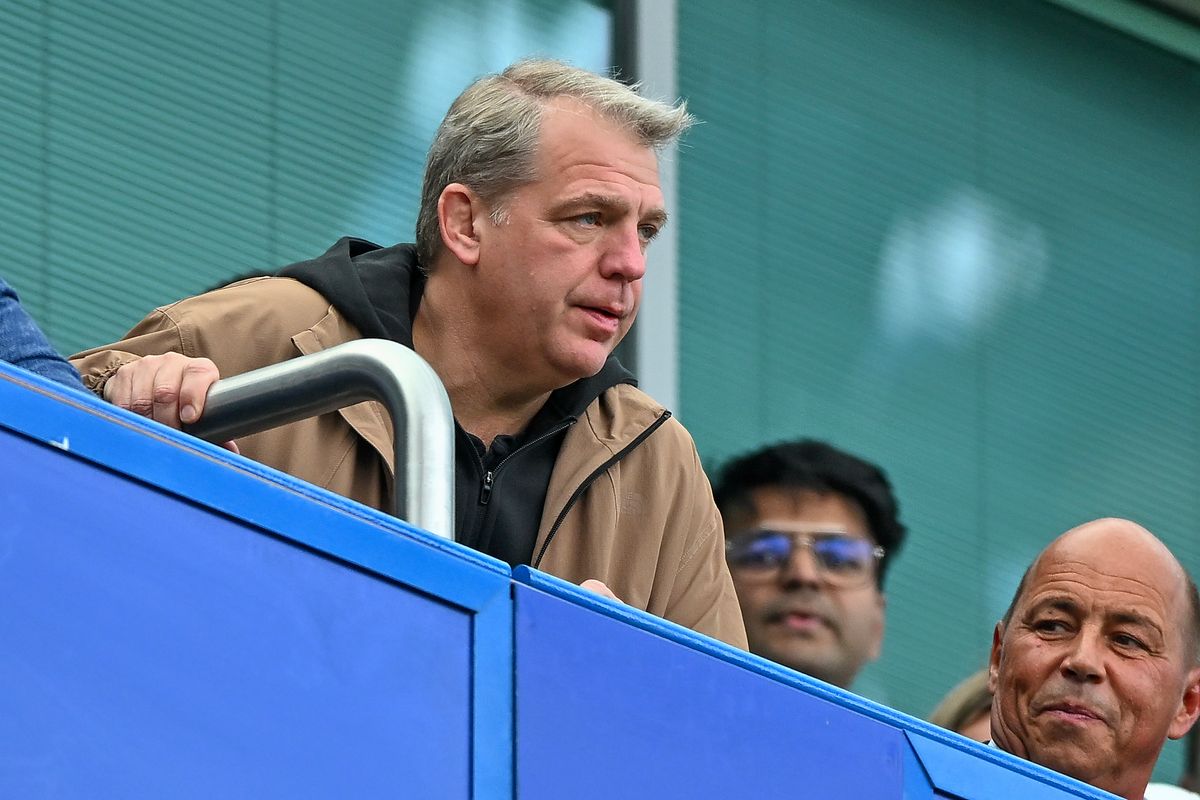
Chelsea is another club where tongues have been wagging. Todd Boehly, and his controversial stake in ticket reseller Vivid Seats, may be gone, but ticketing remains a bone of contention for many other reasons.
The digitisation of season tickets means that supporters can no longer simply hand their physical season ticket to a friend if they cannot attend a match. Instead, they must resell their ticket through the club’s official ticketing platform. The recipient must have forked out a membership fee starting at £15 for access to these tickets.
Chelsea were one of the few clubs to freeze season ticket prices this summer, yet they can’t escape the unhappiness of long-term fans, as Mark Meehan of the Chelsea Supporters Trust explains. “They feel that long-term they’ll no longer be a part of the Chelsea eco system,” he says.
“If you’re a season ticket holder or club member and you’re going regularly, you may not be the kind of person that they necessarily want every week. They want churn in the seats, different people sitting there on a frequent basis, because they will spend more money than the existing cohort.”
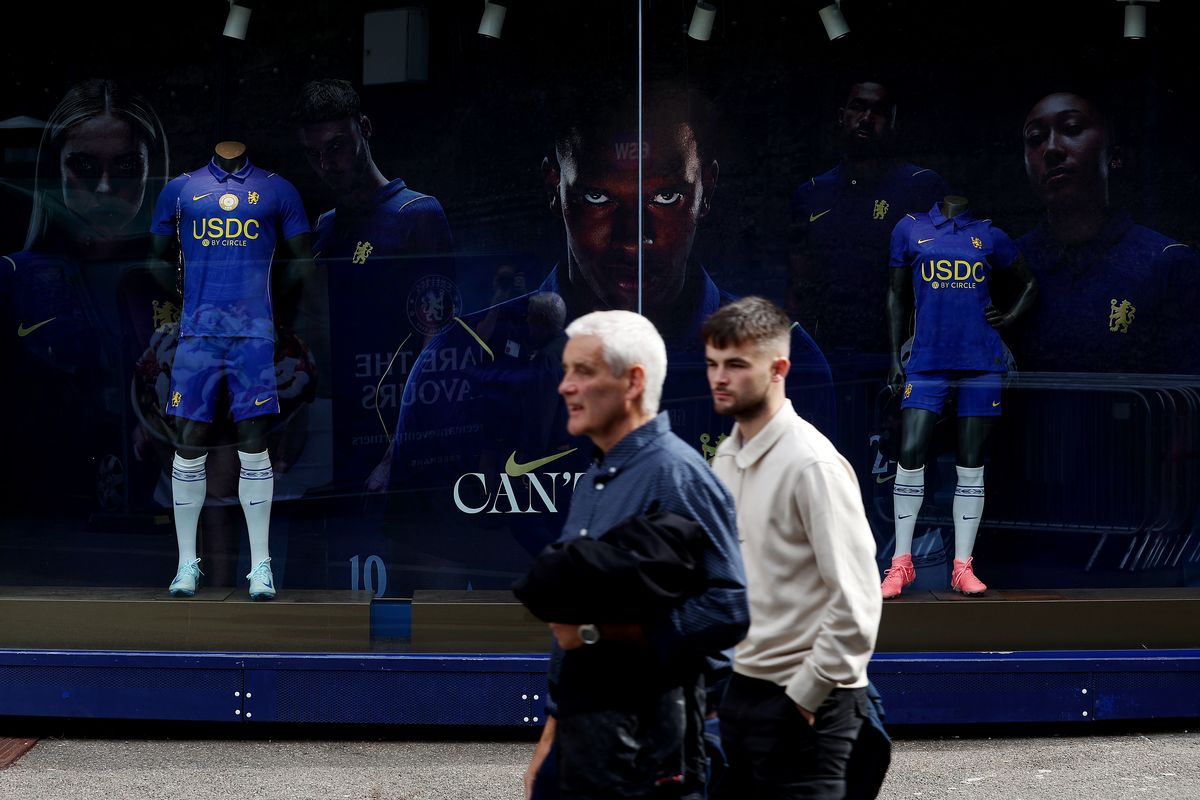
Meehan points to Westview as an embodiment of what many Blues fans believe to be the club’s long-term strategy. The club’s marketing may try to dress it up as something luxurious and exclusive, noting access to “a modern concourse”, “a vibrant market hall” for food and drink and “three large screens”, but Meehan says it boils down to “nothing but padded seats”.
Prices range from £225 to £625, depending on the prestige of the fixture, and selling them hasn’t been plain sailing. “People were being asked to pay £300 a ticket for the recent Brighton game,” Meehan says. “Surprise surprise they had to drop the price to £285 soon after because there wasn’t a big enough audience at that price.
“It’s supply and demand. The supply is there, the demand isn’t, so that seat remains empty. We haven’t had a full ground of over 40,000 for three seasons. It’s only slightly under, by a few hundred, but I feel every single seat should be filled for every home game.” Chelsea do regularly sell all general admission tickets and are understood to blame empty seats on their own successful anti-touting efforts.
Eleven of the current 20 Premier League clubs are majority owned by Americans, which is significant when it comes to predicting the direction of travel for the fan experience.
Fitzpatrick says the “critical mass of American ownership who also have experience in American sports franchises” have brought about “a cultural shift” which has influenced the league beyond just the American-owned clubs. Like in the NFL, clubs are global brands and, increasingly, season ticket holders are beginning to look like a relic of a bygone era.
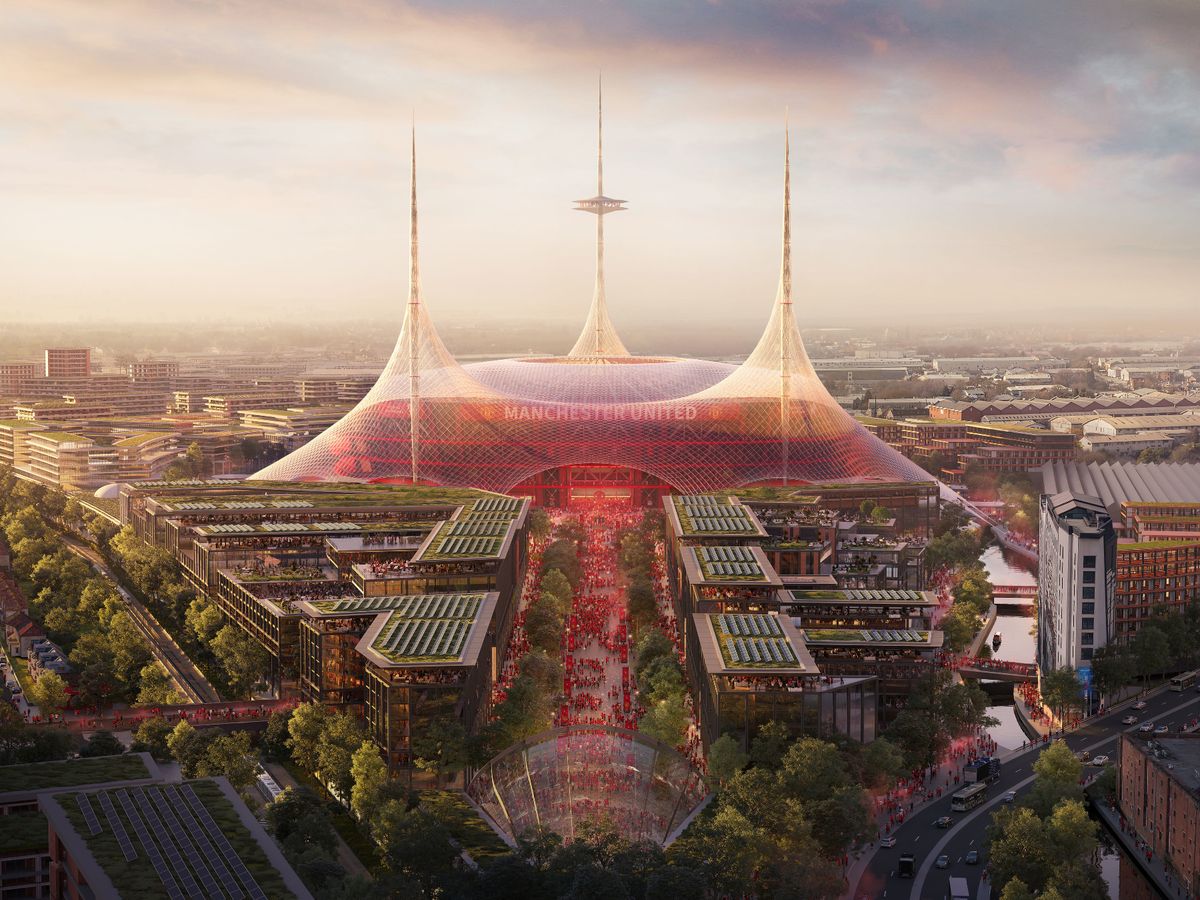
Tradition doesn’t stand a chance when it is up against the quest to increase revenue. The £4,000 ‘personal seat licence’ that Manchester United consulted fans on as part of the planning for their new stadium tells a story. Rumfitt, from MUST, describes the proposal as “absolute anathema”, but that might not stop Ratcliffe from pushing ahead, while the building of a bigger stadium would provide a clean slate on which to start with a much smaller percentage of season tickets.
Fitzpatrick believes that fan activists are more organised and better connected to each other than ever. But while clubs are happy to engage in conservations about many issues, the elephant of skyrocketing prices remains in the room.
Asked if protesting can reverse the tide, finance expert Maguire gives a cynical response. “I think it will slow down the process, but that’s all,” he says flatly. “There is no doubt where the direction of travel is, especially for the elite clubs.